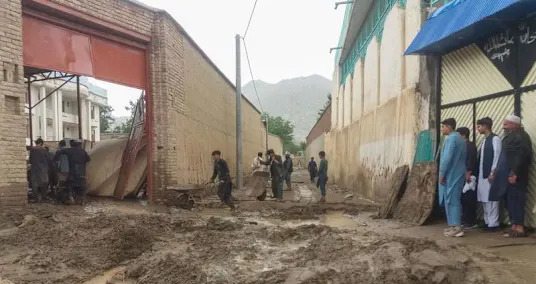
At least 61 people have been killed and 116 injured across Afghanistan since March 26 due to heavy rainfall, floods, landslides and lightning strikes, the Afghan government said on Saturday.
At least four people were still missing after floods affected thousands of families and damaged 2,448 houses, Afghan government spokesman Zabihullah Mujahid said in a post on X.
In addition, thousands of hectares of cropland was also destroyed, posing serious risks to rural communities who rely on agriculture for their livelihoods.
Deadly flooding has struck Afghanistan repeatedly in recent years, causing significant loss of life, injuries and widespread damage to homes, infrastructure and agricultural land.
Extreme weather events such as flash floods and droughts are increasing in Afghanistan, which experts link to the climate crisis.
Despite having a negligible carbon footprint, the country ranks among the most climate-affected nations and remains ill-prepared to cope after decades of conflict, poor infrastructure and a struggling economy, compounded by recent earthquakes and severe flooding.
LATEST POSTS
- 1
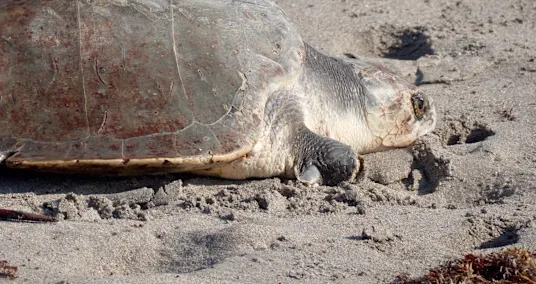
 A 3-limbed Kemp's ridley sea turtle is now being tracked at sea by satellite
 - 2Tesla Germany Registrations Quadruple to 9,252 Vehicles in Best March Ever
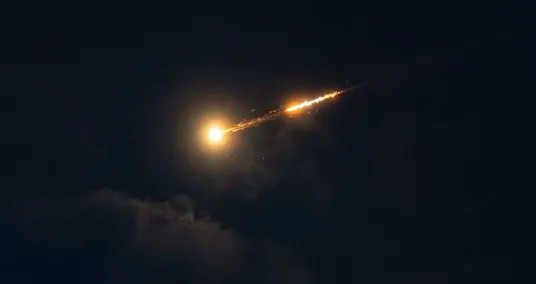
- 3Saudi Arabia says it intercepted 7 missiles, debris falls near energy facilities
- 4Smuggler who called migrants 'chickens' jailed
- 5How to watch 'A Charlie Brown Christmas' for free this weekend



- At least 171 measles cases confirmed in 9 states, CDC data shows
- Two policemen injured at religious youth protest in Jerusalem marking Ahuvia Sandak's death
- Tributes pour in for James Ransone, 'The Wire' actor who died at 46
- Hamas delegation meets Egypt’s spy chief amid mutual ceasefire violation claims
- Jenny & Dave Marrs Mourn Loss of Former ‘Fixer to Fabulous: Italiano’ Guest
- The Way to Business: Startup Illustrations Learned
- Track down the Ideal Weight reduction Methodology for Your Way of life
- Full Supreme Court to hear challenge to Judicial Selection Committee law
- Winter solstice 2025 marks the shortest day of the year in the Northern Hemisphere today