Iran and its Lebanese Hezbollah militia proxy on Thursday fired rockets again at Israel, where people are currently celebrating Passover.
In the morning, warning sirens sounded repeatedly in northern Israel. Two men were slightly injured by a Hezbollah rocket, the Magen David Adom emergency service said.
An Iranian rocket also aimed at the north was fitted with cluster munitions, Israeli media reported. The use of cluster munitions is widely banned internationally because they can scatter explosive devices uncontrollably over large areas and are particularly dangerous for civilians.
There was also repeated fire at Israel overnight. A rocket alert was triggered in the coastal metropolis of Tel Aviv, among other places. Magen David Adom reported several people with minor injuries from broken glass in a suburb of Tel Aviv, including two babies.
The week-long Passover festival began on Wednesday evening for Jews around the world. It commemorates the exodus of the Israelites from Egypt and their liberation from slavery.
LATEST POSTS
- 1
 We may have one thing in common with jellyfish, new research finds
 - 2Accomplishing Balance between fun and serious activities: Procedures for a Better Life
- 3How federal officials talk about health is shifting in troubling ways – and that change makes me worried for my autistic child
- 4The race to mine the moon is on – and it urgently needs some clear international rules
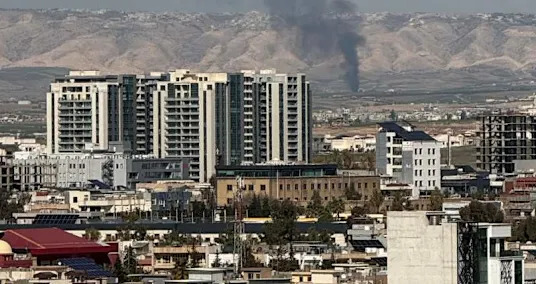
- 5Iran-backed Iraqi militias attack Kurdistan over 450 times since beginning of war


- Inflammatory Merz remarks on migrants' violence against women slammed
- Bennu asteroid samples provide clues about solar system origins and 'space gum'
- Why Tourists May Want To Reconsider Traveling To This Popular Spot In Italy In 2026
- Sixteen Kenyans missing in Russia after army recruitment
- Find Serenity: 10 Stunning Setting up camp Areas
- Vote in favor of the pasta that makes good dieting pleasant!
- Roman around the Christmas tree | Space photo of the day for Dec. 25, 2025
- Mexico says a third of 130,000 missing people might be alive, fueling criticisms by families
- Overlooked infertility care should be part of national health services, says WHO